Fire & Smoke Damage Restoration in Great Hills & Arboretum

Local crews · Open 24/7 · (512) 772-2458

Great Hills & Arboretum residents often face unique challenges when dealing with fire and smoke damage. From the stunning homes nestled on slabs to the scenic views near Barton Springs, a fire can disrupt the serenity of this community and threaten livelihoods. Whether it’s damage from a kitchen mishap or an unexpected wildfire, prompt and effective restoration is crucial. Our local team at United Water Restoration Group of Austin understands the specific needs of homeowners in this area, ensuring both swift action and thorough care in restoring properties affected by fire and smoke.

  • Quick response to minimize further damage after a fire incident.
  • Specialized expertise in restoring homes situated on slabs, where fire odor can seep into the structure.
  • Professional assessment to address smoke damage and any hidden hazards in the property.

Great Hills & Arboretum is a vibrant community in Austin known for its beautiful homes and scenic landscapes. Nestled near areas like North Lamar & Rundberg, it features a mix of modern residences built on slab foundations. Slab construction can pose unique challenges when it comes to water and mold damage, as leaks often go unnoticed until significant damage occurs. Our services are tailored to address these issues effectively, helping residents maintain safe and healthy homes.

Crews dispatch 24/7 from our Buda base at 1955 FM 2001 and cover all of Great Hills & Arboretum — one local team, no subcontracted call centers. See all services in Great Hills or read more about fire & smoke damage restoration.

Don’t wait until the damage worsens; contact United Water Restoration Group of Austin today at (512) 772-2458. Our local experts are ready to help you restore your home safely and efficiently.

Common Causes We See in Great Hills

  • Unattended cooking leading to kitchen fires
  • Electrical faults causing short circuits
  • Chimney flues with inadequate cleaning
  • Improperly stored flammable materials in garages
  • Wildfire spread impacting perimeter areas
  • Portable heaters igniting nearby objects
  • Outdoor grills positioned too close to walls
  • Neglected maintenance of heating systems

While You Wait for the Crew

A few minutes of the right first moves can save thousands in damage. Here is what to do — and what not to do — before we reach Great Hills.

Do

  • Call (512) 772-2458 for immediate assistance.
  • Ensure your family is safe and evacuated.
  • Turn off utilities if safe to do so.
  • Open windows to ventilate smoke.
  • Secure exposed areas with tarps or boards if possible.

Don’t

  • Do not re-enter heavily damaged areas.
  • Avoid cleaning soot-stained surfaces.
  • Do not use electrical appliances exposed to smoke.
  • Refrain from using ceiling lights if the ceiling is wet.

Crews are standing by near Great Hills right now.

Call (512) 772-2458
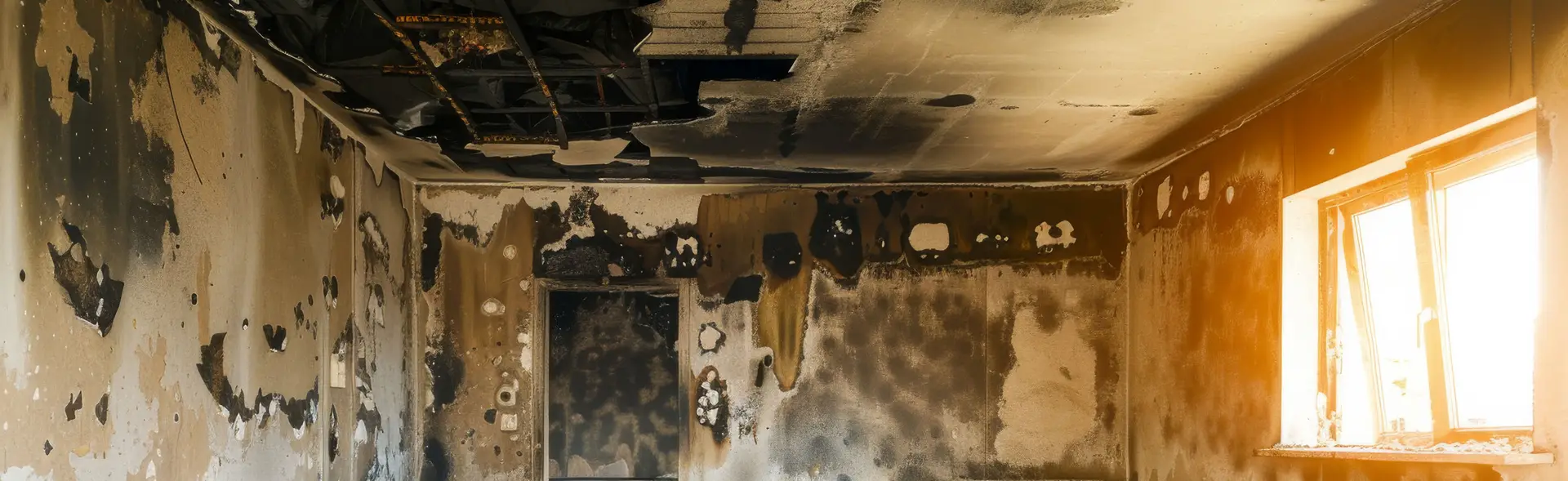
Fire and smoke damage inside a home before restoration

Our Process

  1. 1

    Initial Inspection and Assessment

    Upon arrival, we conduct a thorough inspection. This step assesses structural integrity and identifies areas of smoke and soot penetration to develop a precise restoration plan.

  2. 2

    Emergency Board-Up and Tarping

    Our team secures damaged areas by boarding up windows and doors, while tarping weakened roofs to shield the home from further weather-related damage.

  3. 3

    Smoke and Soot Removal

    Utilizing chem sponge cleaning and HEPA filtration, we meticulously remove soot residues. Options like dry cleaning and wiping are chosen based on residue type.

  4. 4

    Odor Neutralization

    We employ advanced techniques, such as thermal fogging and ozone treatment, to eliminate lingering smoke odors, ensuring a fresh and safe environment.

  5. 5

    Restoration and Final Repairs

    After cleaning, we proceed with structural repairs and contents restoration, coordinated with pack-out and inventory to bring your home back to its pre-fire condition.

We Work With Your Insurance

Our crews document everything — photos, moisture readings, and a clear scope of work — in the format adjusters expect, and we communicate with your insurance company throughout the job. Great Hills homeowners always know what is happening and what their policy covers before work begins.

AllstateState FarmLiberty MutualProgressiveNationwideFarmers InsuranceAmerican Family InsuranceChubbUniversal Property & CasualtyHeritage Insurance
Technician walking a homeowner through the insurance scope on a tablet

Frequently Asked Questions

Do you serve my city, town or ZIP code?

Great Hills & Arboretum is inside the territory this office covers, along with Austin, Brushy Creek & Avery Ranch, Dove Springs, East Riverside & Montopolis, Georgetown and Gracywoods & North Burnet. Coverage follows your address rather than how far out a town sounds, so if you are near the edge of that list, give the cross streets or your ZIP code on the call and you will get a straight yes or no before anyone is scheduled.

The town I am in is not the one in your name — do you still come out here?

The city in the office name is where it is based, not the limit of where it works: Austin, Brushy Creek & Avery Ranch, Dove Springs, East Riverside & Montopolis, Georgetown and Gracywoods & North Burnet are covered the same way Great Hills & Arboretum is. Franchise territories are drawn by area rather than by the single town on the sign, which is why the name on the door and the town on your mail often differ. Confirm your address on the call rather than ruling yourself out.

How quickly can a crew reach my address?

That depends on where in Great Hills & Arboretum you are, the roads, and what the crews already have running, so any single figure published here would be guesswork. The phone is answered around the clock, and you get an honest arrival window for your own address on that call. If water is still coming in, say so first — the steps to take while you wait matter more than the drive time.

Do you work on rentals, condos, businesses and manufactured homes here?

Rentals, condos, storefronts, restaurants and manufactured homes are all routine work, and the building type changes the access and the drying plan more than it changes the method. ANSI/IICRC S500 sorts a loss into Class 1 through 4 by how much water the structure absorbed and how hard it is to dry, which reads the same in a crawl space as in an office. Who pays — owner, tenant or association — is set by your lease, declaration and master policy, so read yours.

Do you handle fire and smoke damage restoration, or only water damage?

Both. Fire and smoke work is its own discipline with its own standard, ANSI/IICRC S700, covering soot removal, odor control and the cleaning of surfaces flame never touched. Smoke residue sorts into four types — dry, wet, protein and fuel oil — each cleaned differently, so the scope comes from an inspection of your specific loss rather than from a list set in advance. Water damage follows a separate standard, S500, and many fire losses involve both.

Can smoke smell from cigarettes or marijuana actually be removed, or only covered up?

Masking fails because smoke odor is residue sitting on surfaces, not air. Deodorization works in four stages: remove the source material, clean every surface holding residue, treat what remains, then seal what cannot be cleaned. ANSI/IICRC S700 puts source removal before any sealing, and that holds for tobacco or cannabis alike. The EPA and CDC describe residual tobacco smoke settling into walls, carpet and dust long after the smell fades. Heavy saturation often means replacing some materials, and every house differs.

Can you keep the smell from spreading to the rest of my house while you work?

Containment comes first, before any cleaning. The work area is sealed with sheeting and held under negative pressure so air moves into the zone rather than out into the rest of the home, then exhausted through HEPA filtration, which captures 99.97 percent of particles at 0.3 microns, the hardest size to catch. IICRC S520 describes the same containment principle for mold work. How much enclosing a home needs, and how completely it holds, depends on how far residue already traveled.

How do I tell whether a smell is on the surface or coming from inside the wall?

Press a damp white cloth on a hidden patch. If residue transfers and that spot goes quiet, it was surface odor. If it returns a day or two after cleaning, or sharpens when the heating and cooling system runs, the source sits in a wall cavity, insulation or ductwork. ANSI/IICRC S700 treats odor as residue to be located, not covered, and protein residue leaves almost no visible mark while carrying strong odor, so a cloth coming back clean does not rule it out.

Request Service Online

Tell us what happened and we will call you right back. For emergencies, calling (512) 772-2458 is always fastest — we answer 24/7.

A United Water Restoration Group of Austin van heading out on an emergency call at sunset

In Case of Property Damage, Call:

512-772-2458

We answer around the clock and dispatch from right here in Buda.

IICRC Certified · Water · Fire · Mold · 24/7 Emergency Response